




How it is
How it could be
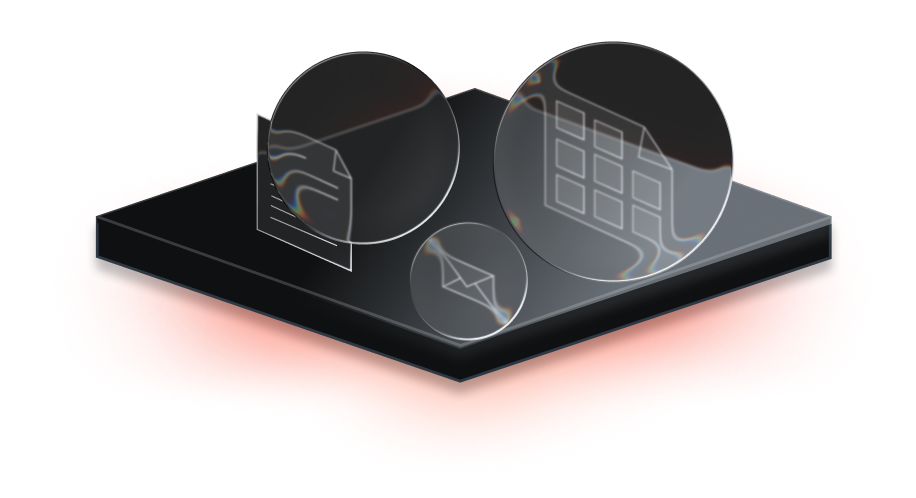
Teams spend hours chasing updates across emails and spreadsheets

Data lives in silos across ERP, MES, and supply chain systems
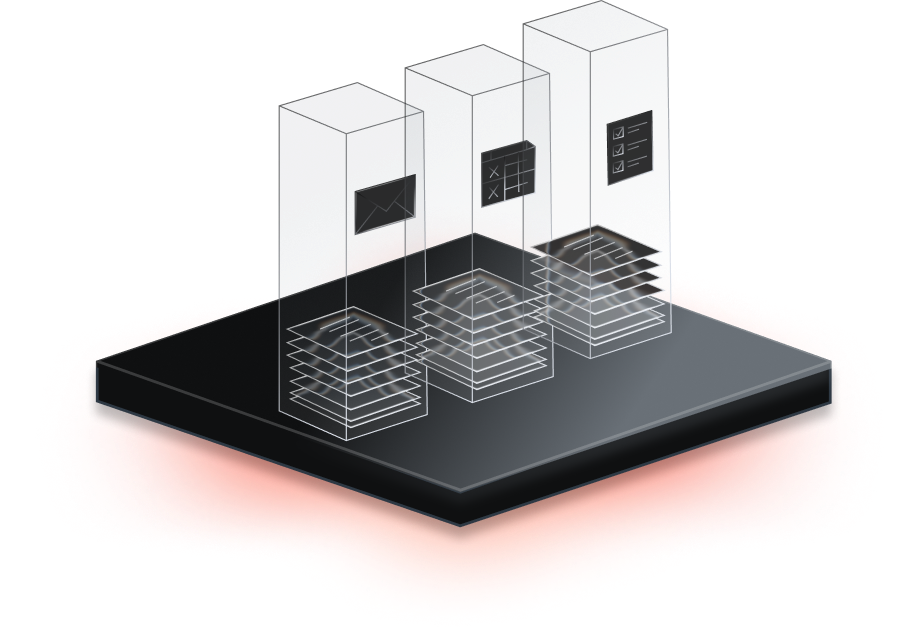
Skilled workers spend up to 90% of their time on mundane admin tasks

Decisions rely on yesterday’s reports
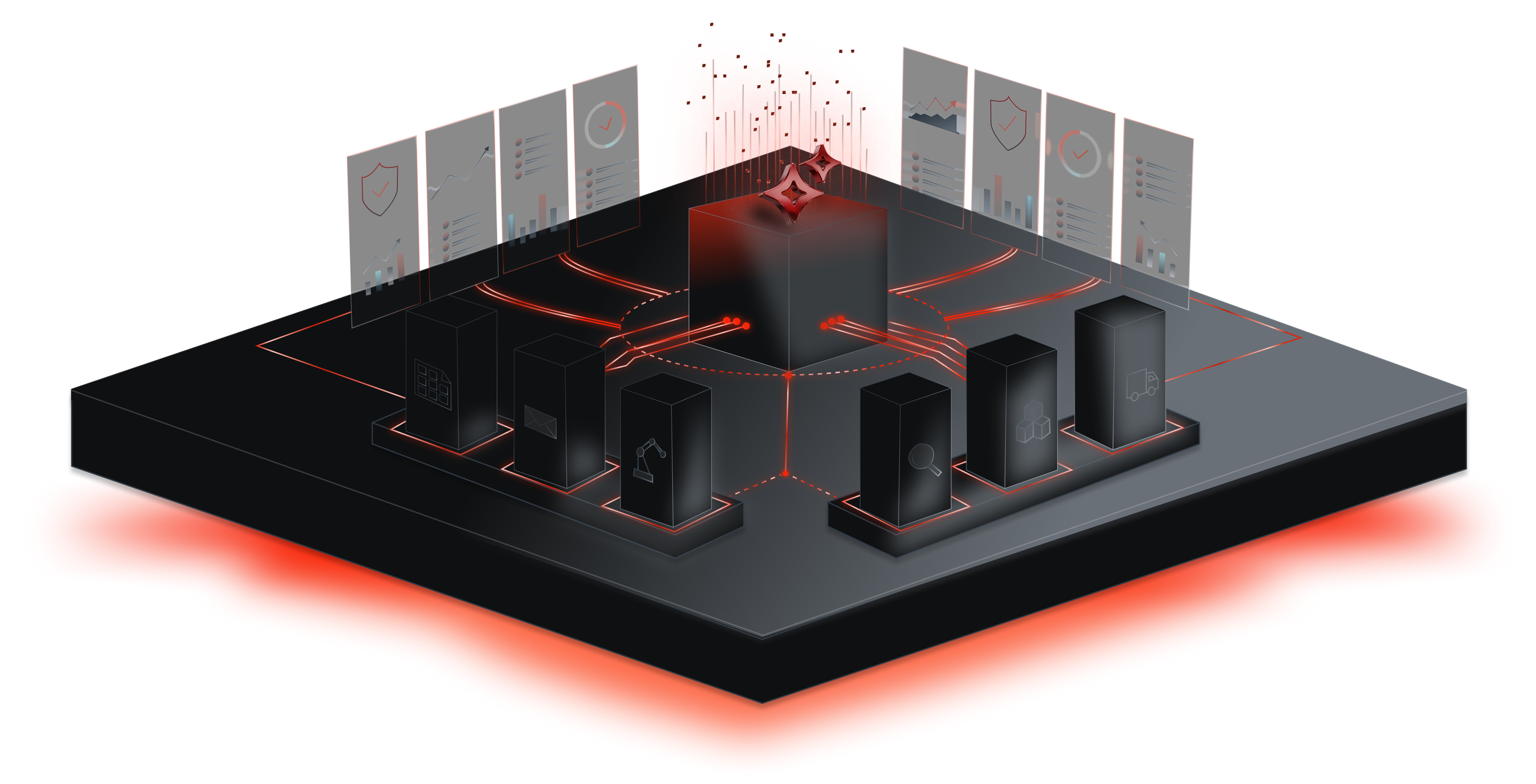
- 1 Persona-based Champions coordinating workflows automatically
- 2 A connected, real-time system of action across your operations
- 3 Real-time decision intelligence across every role in the plant, from planning and procurement to production, quality and logistics
- 4 Your people are freed up to focus on strategy and problem solving
Start Small & Scale Fast

ChampionAI is designed to deliver value at incredible speeds, all without disrupting your existing systems.
Step 1
Deploy a single Champion
Start with a high-impact workflow like procurement or sourcing
Step 2
Automate a single process
Introduce governed, real-time execution
Step 3
See immediate results
Our implementation roadmap allows you to start measuring outcomes in as little as 90-150 days
Three Ways ChampionAI Delivers Value
Across every one of our solutions, each class of agents is designed to amplify human potential. From operations and planning to supply chain and finance, agentic AI isn’t a feature, it’s the new model for manufacturing.


CHOOSE YOUR CHAMPION:
Owns the post-PO workflow-tracking, confirmation, coordinating, and validating every order
Improved delivery reliability
Up to 80% reduction in manual admin
Better supplier response cycle
Automates RFQ creation, supplier follow-ups, and quote standardization
3x faster sourcing cycles
80% reduction in RFQ admin costs
Better supplier decisions, faster
Manages RFQ intake, quote generation, and ERP synchronization
Faster response times
Increased throughput without added headcount
More revenue captured
Surfaces risks, coordinates responses, and keeps production aligned
Fewer disruptions
Faster issue resolution
Improved throughput
Accelerates deployment through guided configuration and automation
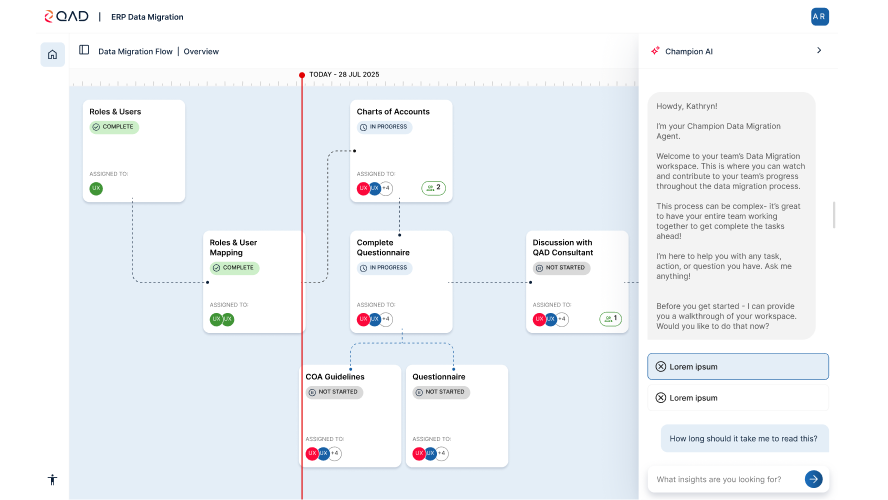
Faster time to value
Reduced implementation burden
Measurable impact in as little as 90 days
Real Outcomes. Measurable Impact.
By amplifying human potential, ChampionAI is unlocking results you never thought possible.
Book a Strategy Session
26%
average increase in frontline productivity
35%
reduction in turnover
81%
increase in workforce engagement
Control You Can Trust
ChampionAI is an enterprise-grade agentic platform designed for real-world manufacturing environments, where control, safety, and reliability are non-negotiable. Every action is governed, auditable and transparent. Built on trusted infrastructure with partners like AWS and Boomi, ChampionAI integrates seamlessly into your existing systems while maintaining the highest standards of security and compliance.

01.
Policy-driven automation
How and when actions occur is determined at the outset by you.

02.
Human-in-the-loop
Critical decisions always stay in your control.

03.
Full auditability
Every action is tracked and explainable.

04.
Secure architecture
Your data remains yours; never shared across customers.
CASE STUDY
“I’m very impressed… [ChampionAI is] notifying me of changes to dates and it will amend our ERP at the push of a button… That saves a lot of time doing those manual admin tasks.”
— Graham Hunter, Supply Chain Manager, Dyer Engineering

Boost your biz with ChampionAI.
REQUEST A DEMOExplore Solutions

Resources
© 2026 QAD Inc.
1221 Brickell Avenue, Ste 2110Miami, FL 33131